
EZ Hydro-Glide®
The EZ Hydro-Glide® will keep you safer in the water.
Head Safety Impact Technology, Thermal Regulation, GPS Technology
A device that improves the swimmers safety in the water, reduces cold & hot water shock by helping to regulate your body temperature.
UK Patent Application No.GB2519166.9 / 2611787.9
"EZ Gains will be filing subsequent patents in other countries which will start from the UK Patent filing date."
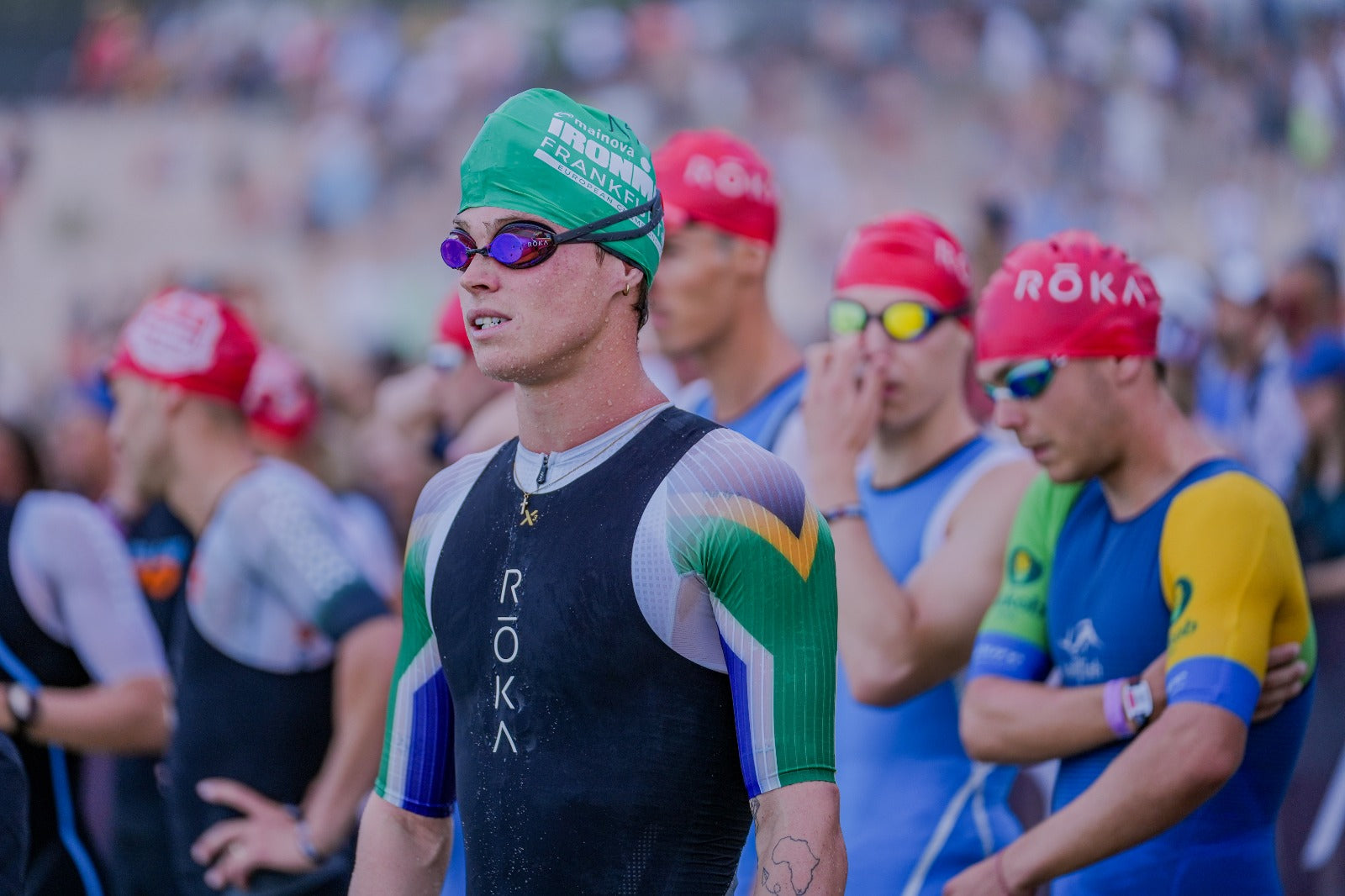
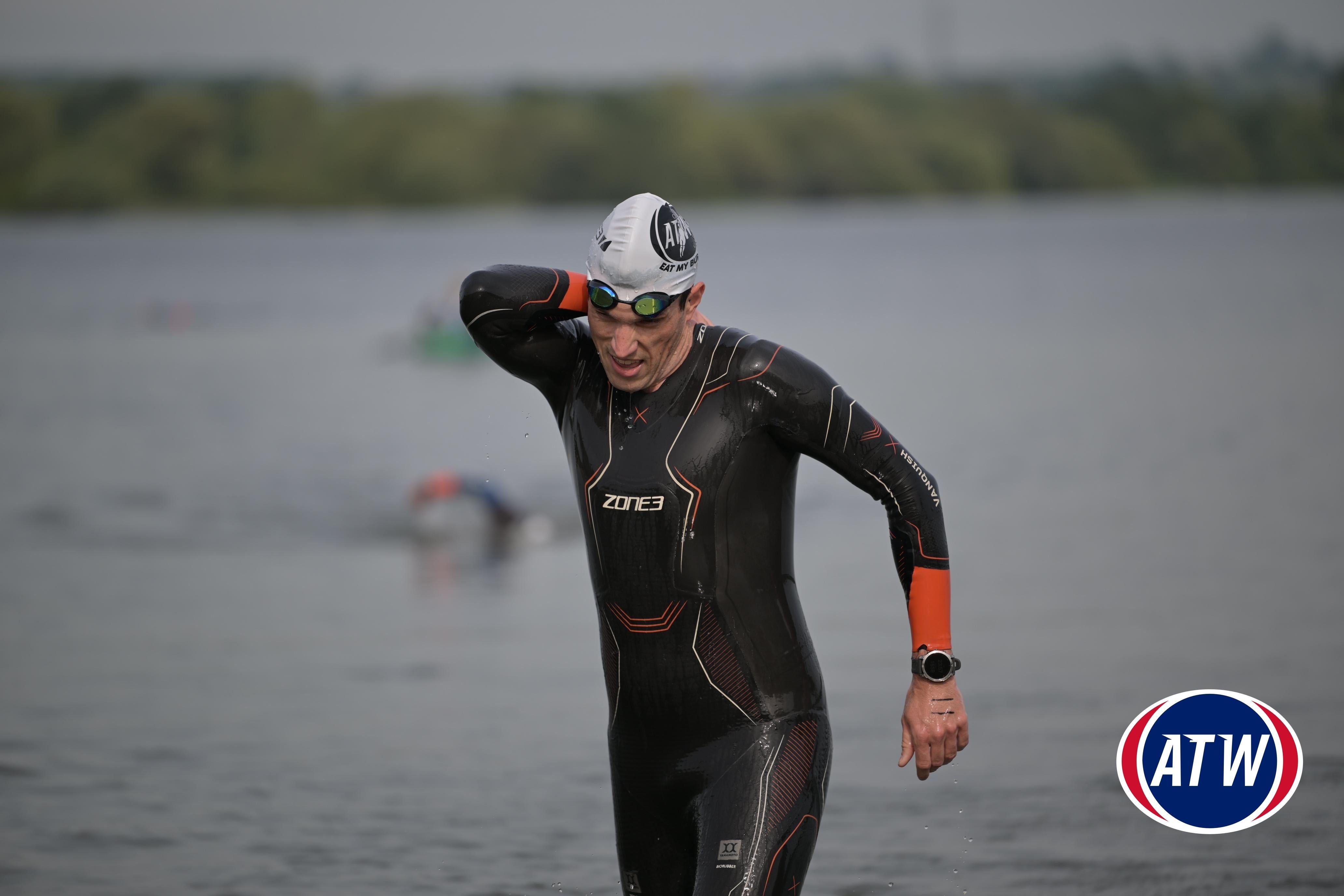
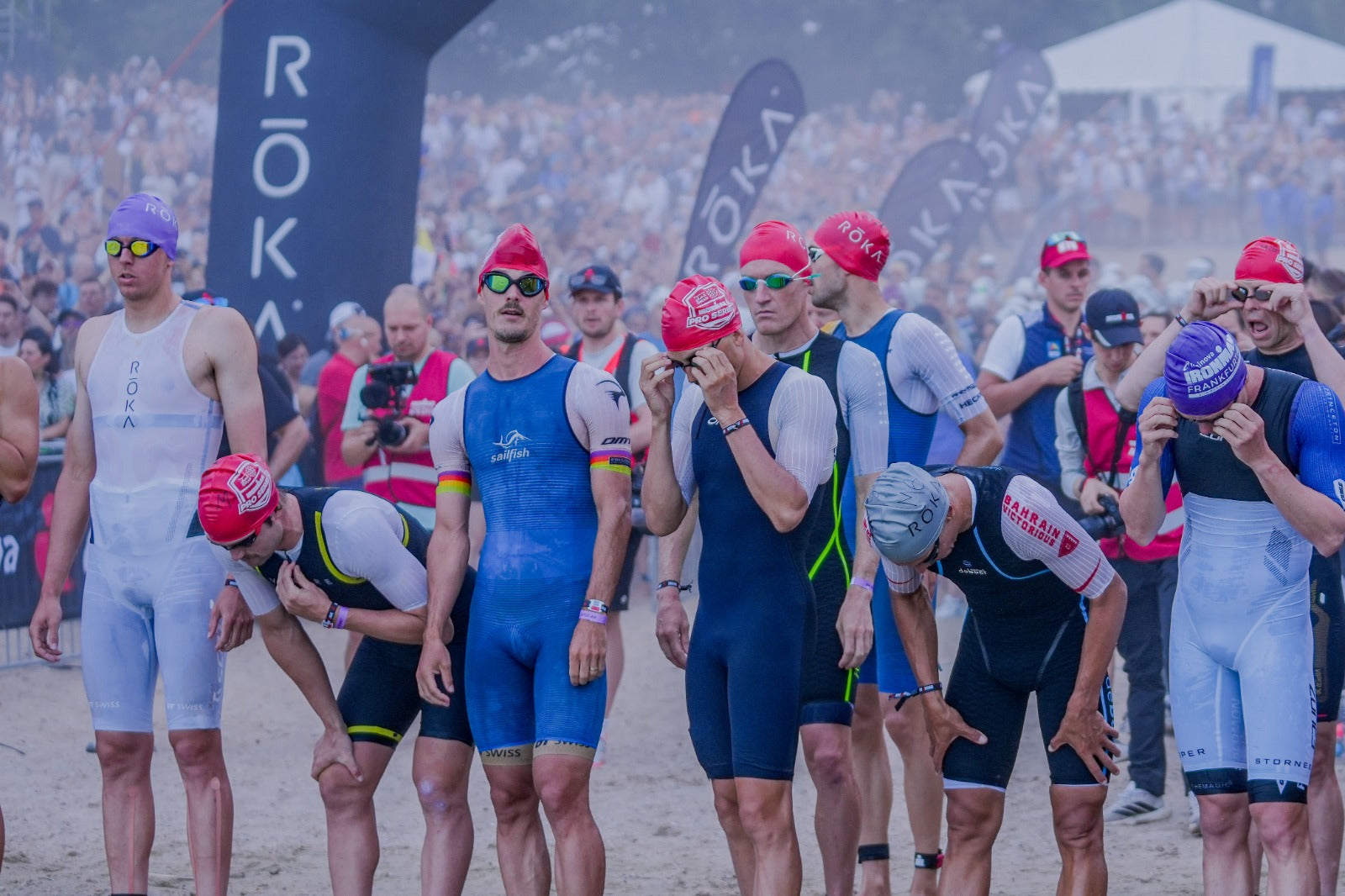
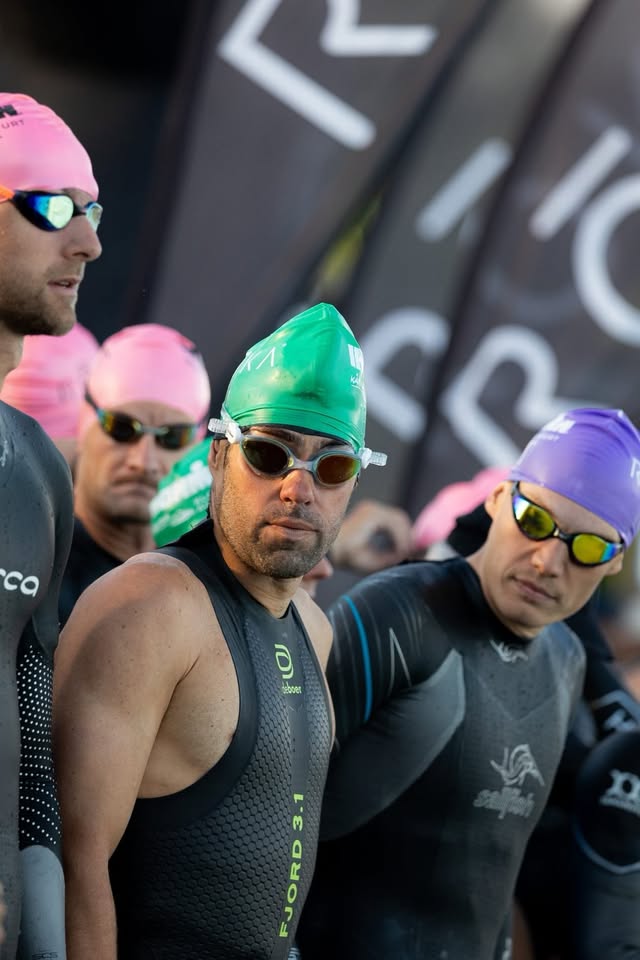
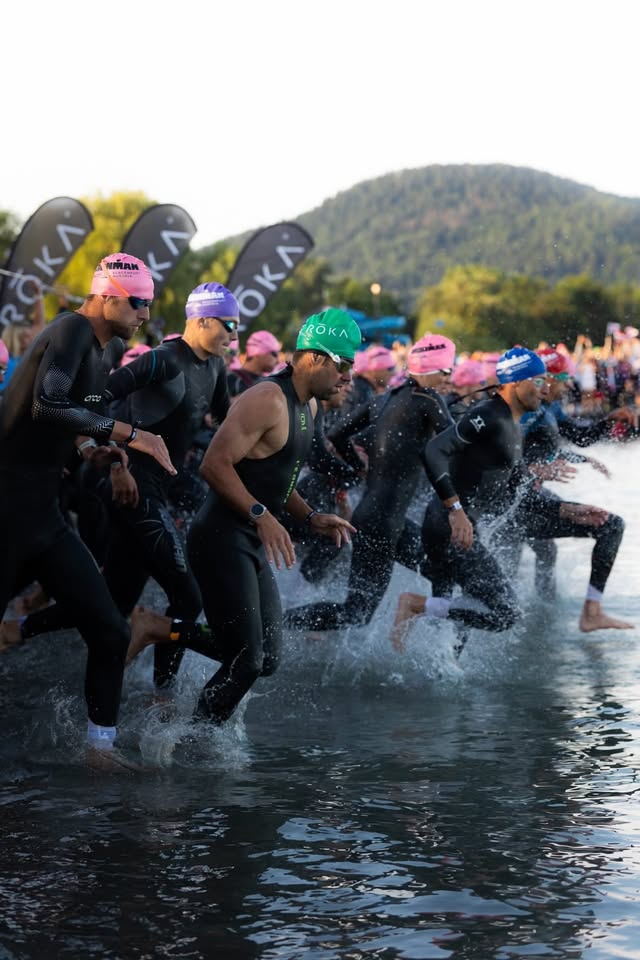
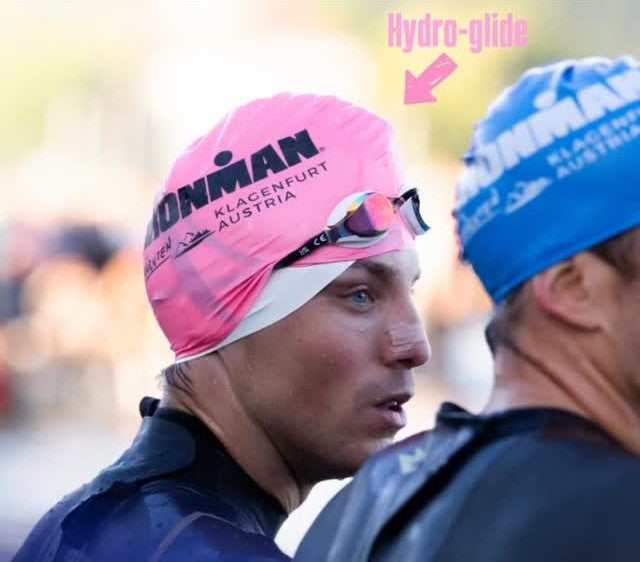

Cold Water Shock & Overheating
Your head is one critical point for thermal regulation. EZ Hydro-Glide® helps manage your body temperature for safety and performance
Cold Water shock
The Invisible Danger: Autonomic Conflict
In water below 16°C (61°F), the immediate danger isn't hypothermia, it's the Cold Shock Response. Sudden cold on the forehead triggers an involuntary gasp and a massive heart rate spike. If this clashes with the "diving reflex" (which slows the heart), it causes Autonomic Conflict, a leading cause of swim failure and sudden cardiac events [3].
Warm water limits your performance
The Barrier: Central Fatigue
In water above 22°C (72°F), your standard cap traps heat. As your brain temperature rises, it triggers Central Fatigue: a protective mechanism where the brain forces your muscles to slow down, spiking your Rate of Perceived Exertion (RPE) even if your muscles have fuel left.
Insulation & Protection
How EZ Hydro-Glide® Protects You:
By placing the insulating pad over the Trigeminal Nerve (forehead and temples), you blunt the initial cold shock. This calms the nervous system, prevents hyperventilation, and reduces the risk of Swimming-Induced Pulmonary Edema (SIPE), allowing you to settle into your rhythm safely.

Designed for Thermal Stability Across All Aquatic Environments
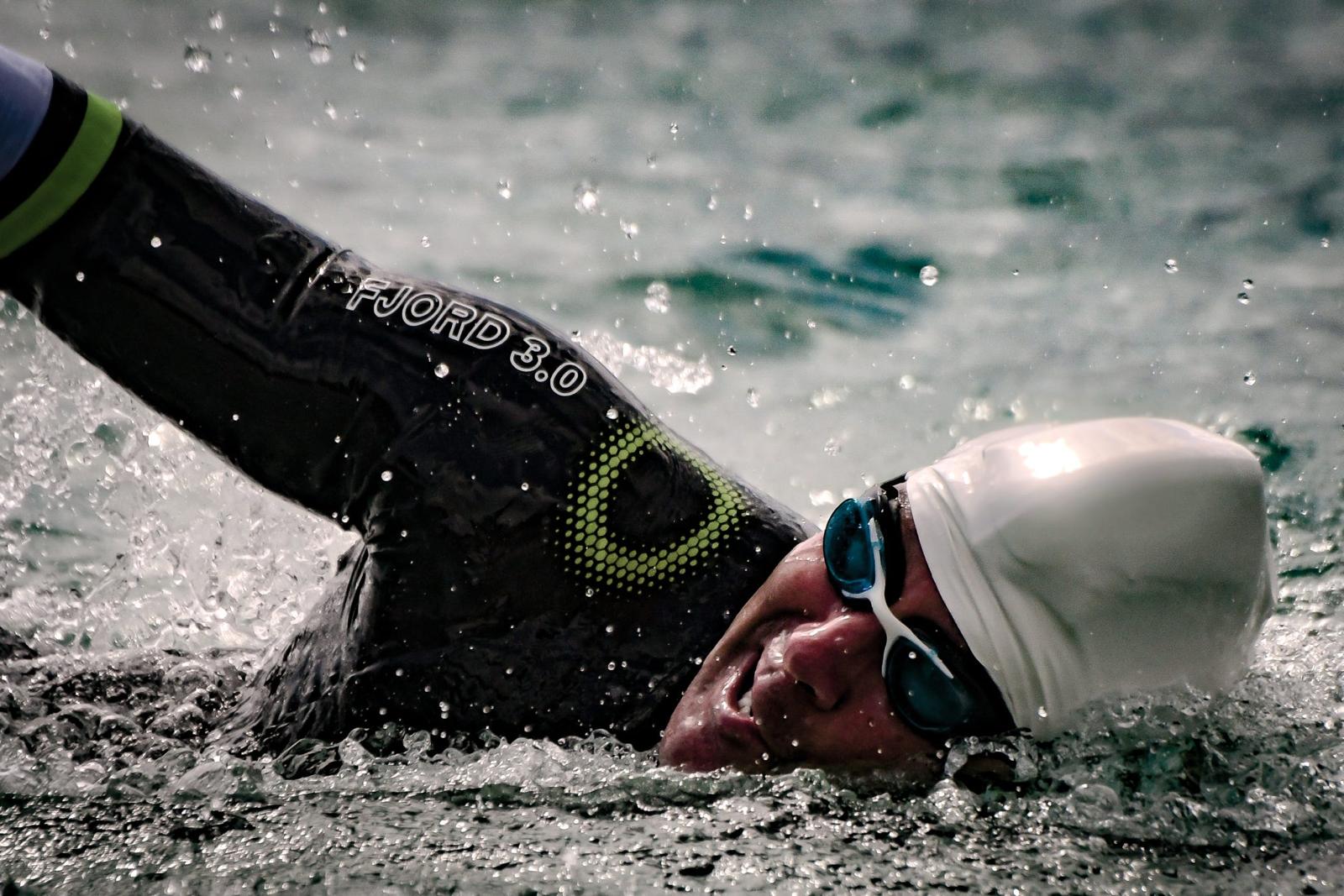
Cold Water Enviroments
Cold-water swimming can cause an immediate shock response on entry, including sharp gasping, increased heart rate, and difficulty controlling breathing, which can affect comfort, safety, and early performance.
The EZ Gains Hydro-Glide helps reduce this initial shock by gently pre-cooling the head and scalp using an integrated ice pack before and during entry into the water. This gradual cooling helps the body adjust more smoothly to low water temperatures, reducing the sudden contrast between air and water on immersion.
As a result, swimmers may experience a calmer, more controlled transition into the water, with steadier breathing and improved comfort during the critical first moments of the swim [5].
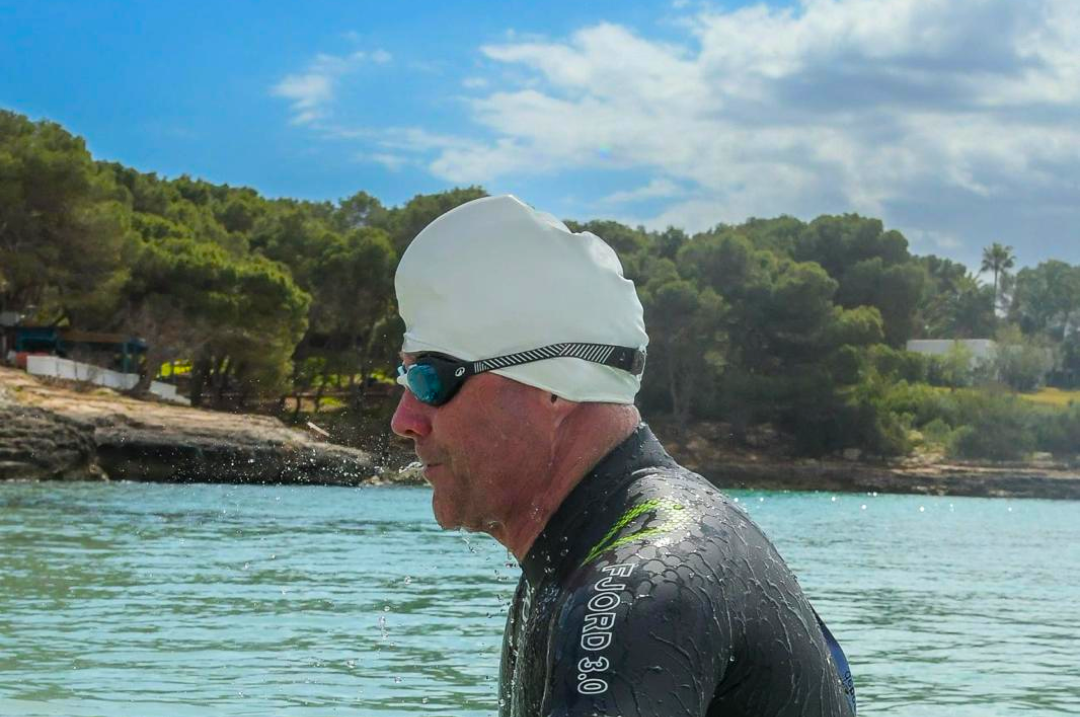
Tropical environments
Swimming in warm and tropical water increases thermal strain because the body’s ability to lose heat is reduced when water temperature approaches skin temperature. Combined with the high metabolic demands of endurance swimming, this can lead to progressive heat accumulation, rising cardiovascular stress, and declining performance over time.
The EZ Gains Hydro-glide, with its integrated ice-pack cooling system in the swim cap, supports thermoregulation by providing targeted cooling to the head and scalp during exercise. This helps to slow the rate of heat build-up and maintain a more stable internal temperature in hot-water and tropical conditions. As a result, swimmers may experience improved comfort, reduced thermal strain, and more sustained performance during prolonged efforts in warm environments [6].

Reduce Heat fatigue
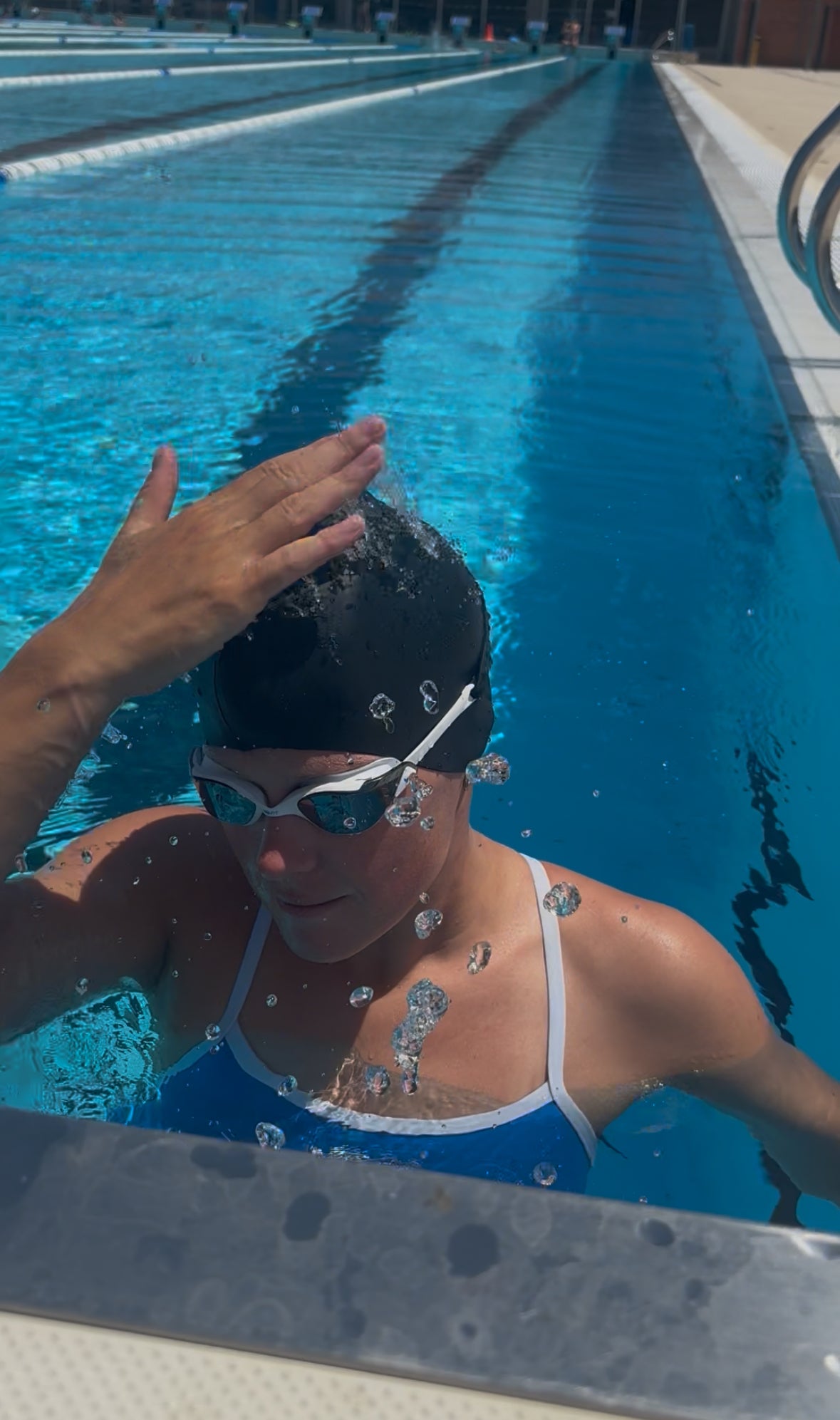
Swim heat test done whilst doing Intensive sets in a 28°C pool in wetsuits to physically feel the effect of keeping the head cool. It's clear this will play a massive part in swim safety.
From a swim-safety perspective, your test highlights an important interaction:
The head and neck are highly vascular, so cooling them can noticeably change thermal perception and heart-rate drift [4].
Once overheating starts, swimmers often experience:
- rising panic/anxiety sensation
- rapid cardiovascular strain
- stroke deterioration
- Confusion or poor decision-making
- Reduced awareness of surroundings
- Heavy breathing or feeling “air hungry”
- Delayed reaction time
- Sudden fatigue

EZ Gains® & Ultra Cool Tech
The EZ Hydro-Glide® project brought EZ Gains and Ultra Cool Tech together with a shared mission: build a cooling system that genuinely improves swimmer comfort and performance in warm water.
EZ Gains® had the vision for a smarter accessory; Ultra Cool Tech contributed deep expertise in Active Cooling engineering, material science, and athlete‑tested thermal solutions. Working side‑by‑side, the teams explored different Phase Change Material (PCM) formulations, tested heat‑absorption profiles, and refined the integration so the cooling pack fits seamlessly into the Hydro-Glide without adding bulk or disrupting hydrodynamics.
Ultra Cool Tech’s background in developing cooling systems for endurance sports helped shape a solution that doesn’t just feel cold at the start — it manages heat consistently, delaying fatigue and helping swimmers maintain form for longer.
The result is a clean, intuitive accessory powered by real engineering. This collaboration blends EZ Gains’ product innovation with Ultra Cool Tech’s cooling expertise to deliver a meaningful performance advantage where swimmers need it most.

Head Impact
Keep safe on your swims, reduce head blow impact
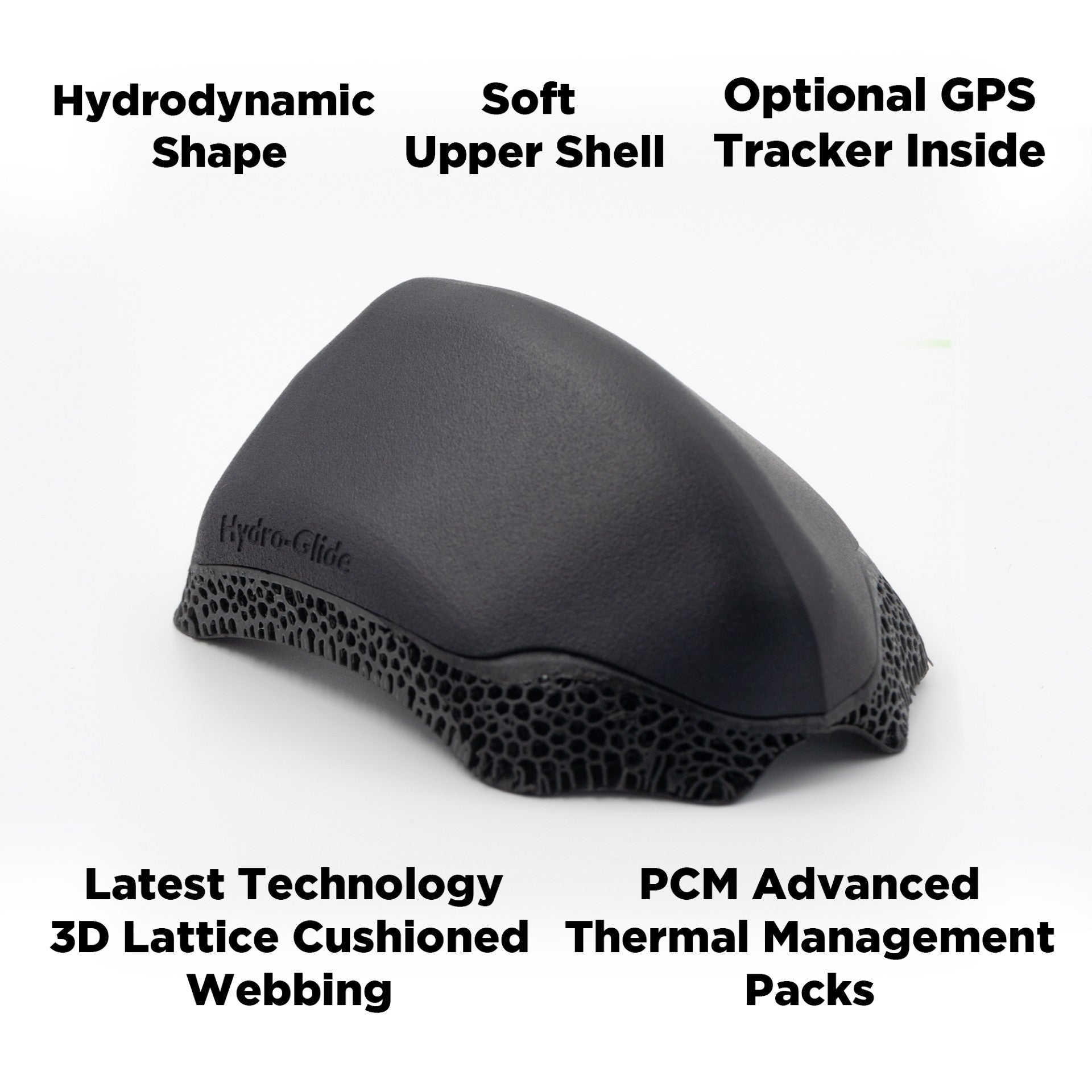
STAY SAFE IMPACT TECHNOLOGY
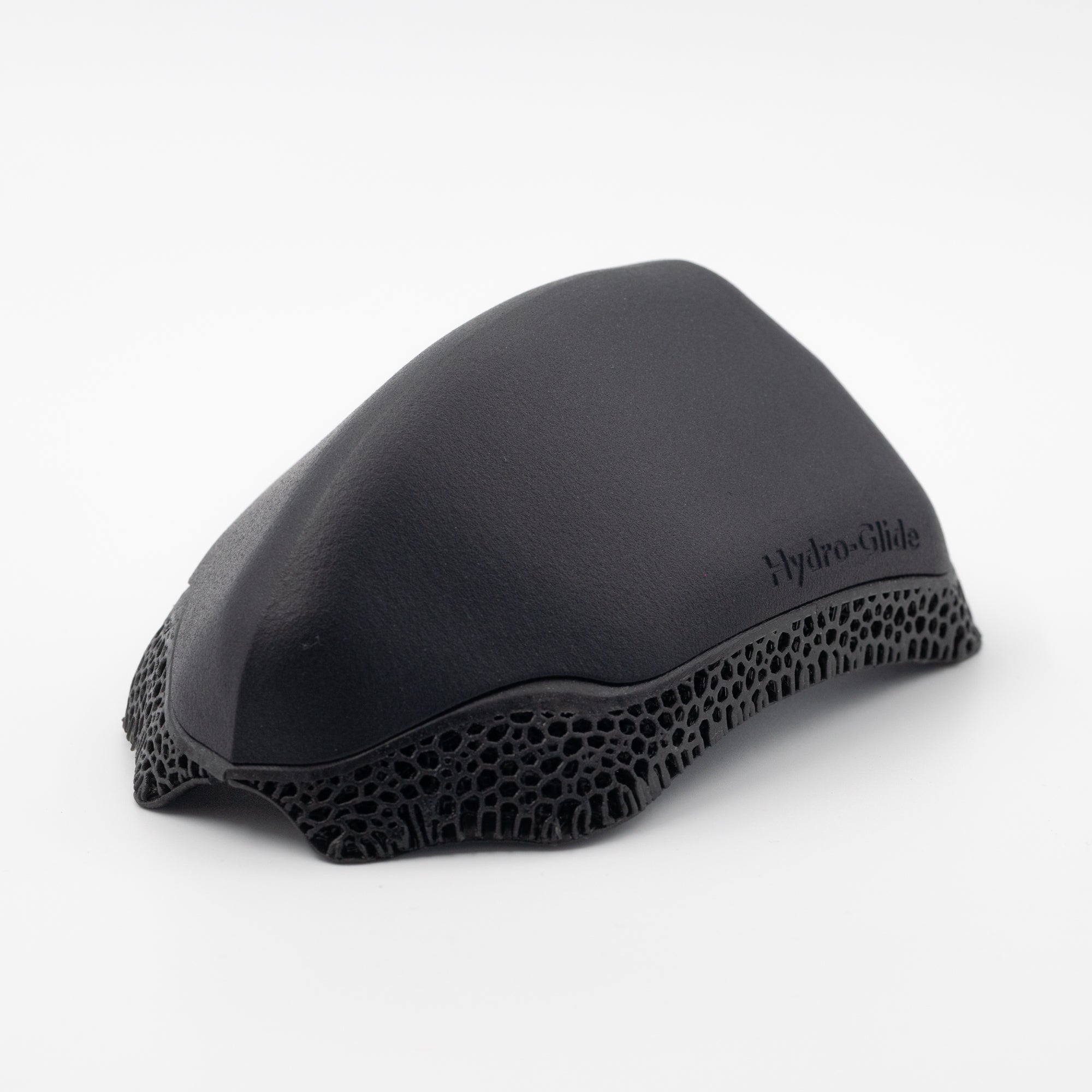
The Hydro Glide uses a tunable lattice structure designed to optimise stability, energy absorption, and impact-force dissipation in water [7]. This approach is already well established in high-performance safety applications, where similar lattice systems are used to manage impact and reduce injury risk.
Upper Section Materiel:
Nylon PA12 (Polyamide 12) is a high-performance, synthetic thermoplastic polymer renowned for its durability, chemical resistance, and flexibility
Lattice Lower Section Materiel:
EPU Pro 50 is a high-performance, single-part, dual-cure polyurethane elastomer developed by Carbon, Inc. for additive manufacturing. It is widely used to create soft, flexible, and intricate lattice structures that deliver superior energy return and durability compared to traditional foams.
The EZ Hydro-Glide is non-buoyant
- The lattice can be “tuned” through material composition and geometry to optimise energy absorption, stability, and impact-force dissipation.
- Similar lattice structures are used in Formula 1 cars, cycling helmets, and NFL helmet systems for impact protection, showing proven effectiveness in safety-critical environments [8].
- In swimming, this tuning may improve stability and help dissipate accidental impact forces, such as kicks in crowded conditions.
EZ Hydro-Gains Tracking Device System - TBA
Keep safe on your swims, track and share your swim location - optional extra "Coming Soon"
STAY SAFE WITH GPS TRACKING
Track your loved one from anywhere in the world during race swims or training sessions, giving you added peace of mind while putting safety first.
The athletes information platform can also be shared with race organisers to help enhance competitor safety and represents a major advancement over commonly used timing chips, helping to improve swimmer monitoring and reduce the risk of swim-related fatalities.
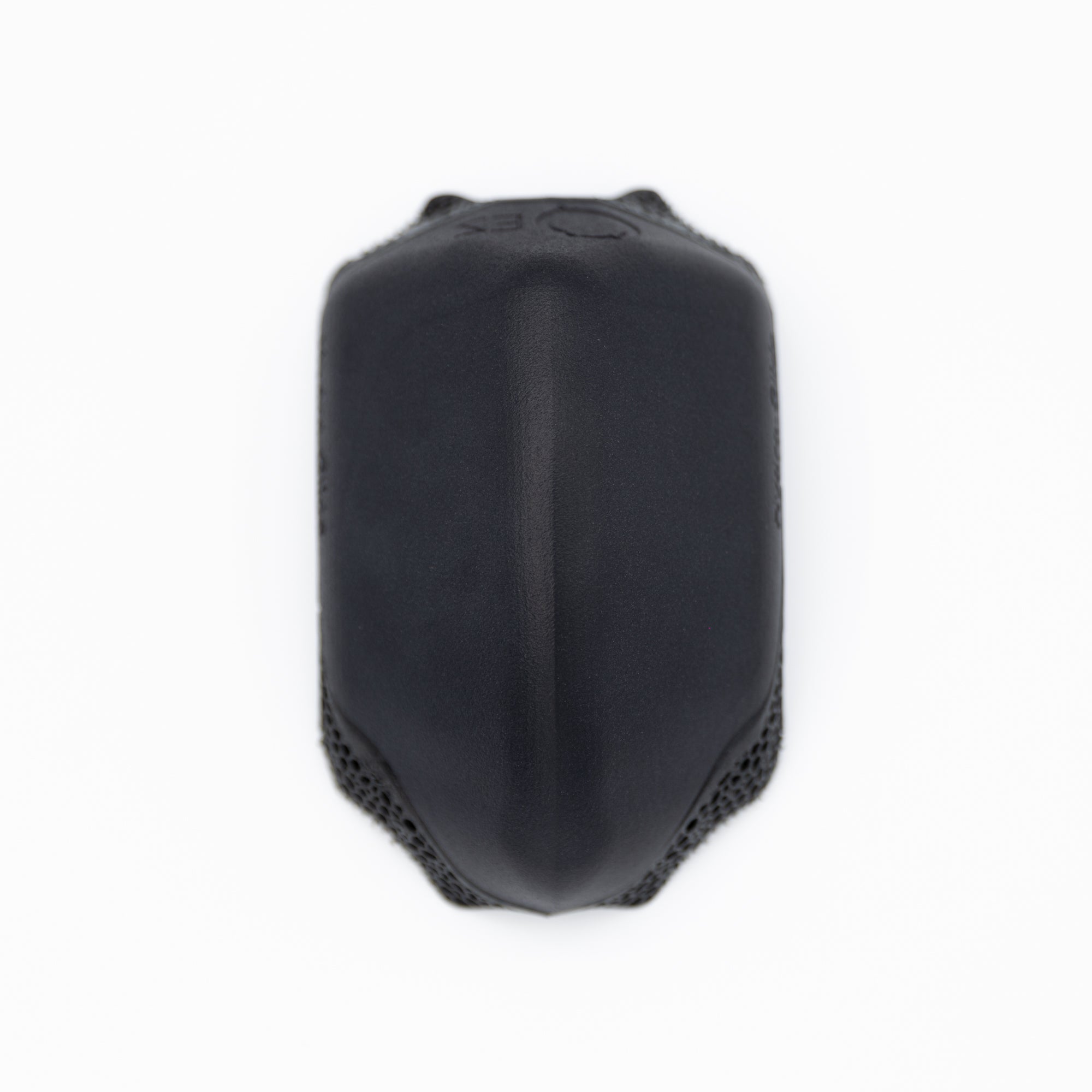
Live Tracking 30'S Position System
The tracker can provide location updates every 30 seconds, allowing accurate real-time swim tracking. This lightweight device is built using the latest marine-based technology, designed specifically for open water conditions.
The platform also offers future development potential, with the ability to provide detailed swim analytics and performance insights over time.
It fits neatly into the top of the EZ Hydro-Glide and does not distract the swimming in anyway and has no control devices added apart from an on/off button.

The EZ Hydro-Glide® is manufactured in the UK using two different cutting edge additive manufacturing technologies. The rigid upper is manufactured using Multi Jet Fusion (MJF) technology.
Nylon PA12 (Polyamide 12) is a high-performance, synthetic thermoplastic polymer renowned for its durability, chemical resistance, and flexibility
Unlike hobbiest 3D printers, the parts are isotropic (uniform properties in all directions) and have no layer lines. The padding is produced using Carbon DLS, the same technology used for 3D printed saddles, Adidas trainers, and American football helmet liners "Providing Head Impact Protection".
The padding is 'tuned' by using a combination of material and lattice properties, giving stability and - should you get kicked in a hectic swim - impact force dissipation.
The EZ Hydro-Glide is non-buoyant.


Lattice soft rubber webbing, the same used for 3D printed saddles, using the latest 3D printer technology. This is a non-buoyant object with no sharp edges, which sits comfortably on your head. Tests have shown that it also reduces the impact of a blow to the head, which can happen during the swim.
In this way, the flexible portion may
also help to absorb or dissipate some energy from impacts to the user’s head, improving the safety of the device.
How to use the EZ Hydro-Glide®
Seamless integration with your current kit for instant thermal protection.
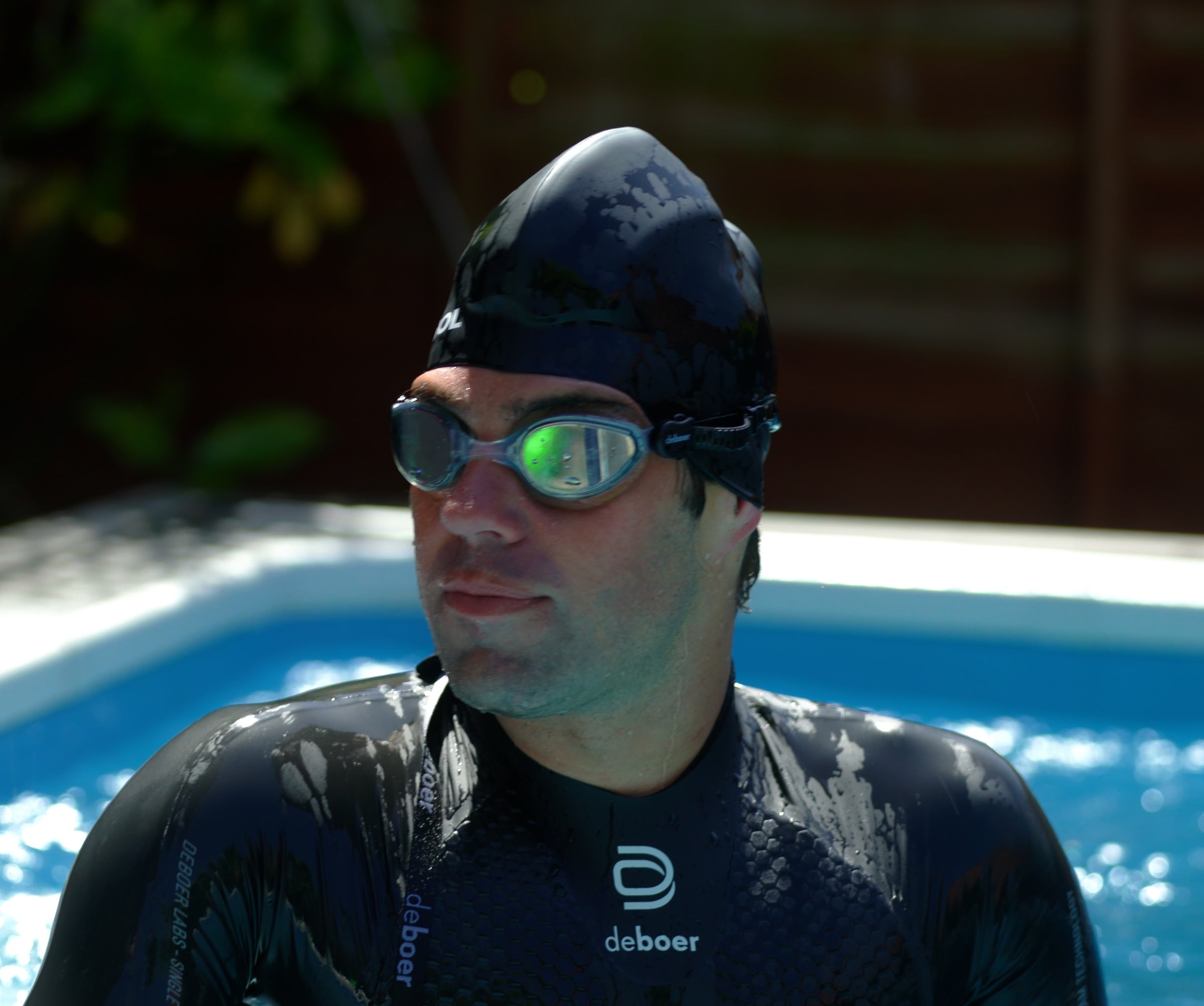
Warm Water Swiming:
For a cooling effect when swimming in warm water:
Place the entire thermal carry bag containing the EZ Hydro-Glide® and PCM Packs, along with the blue thermal pack, into the freezer for approximately 2 hours.
Remove the bag from the freezer at least 1 hour before using the EZ Hydro-Glide® to allow it to soften slightly for greater comfort during use.
Cold Water Swiming:
For a warming effect when swimming in cold water:
Place the white PCM warm pack and blue thermal pack in hot water for approximately 1 hour to heat them thoroughly. To help retain warmth, keep the packs in hot water inside a flask or bottle until as close to the swim time as possible. This will help maintain the maximum amount of heat during use.
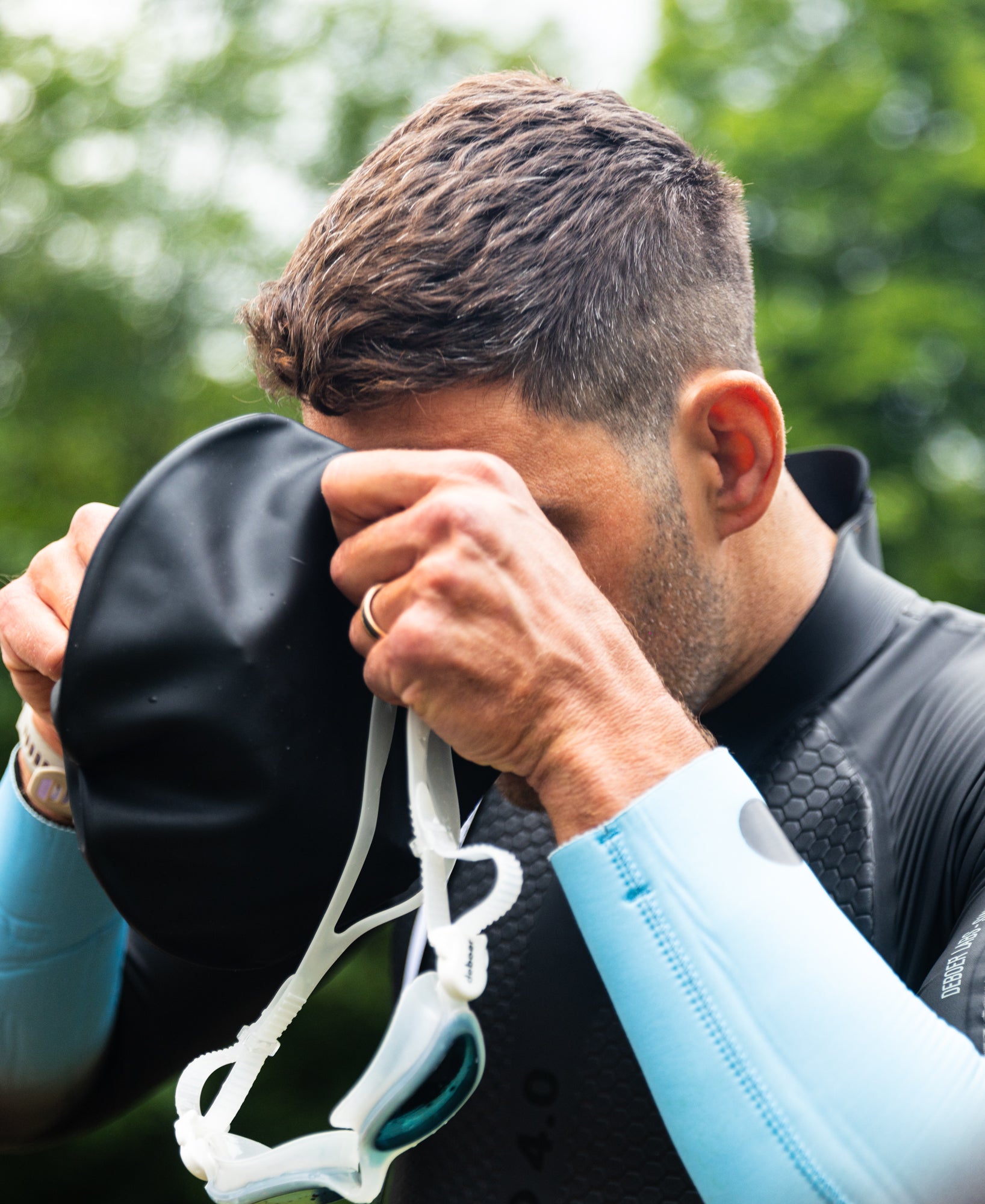
Swim with Confidence
Insert the EZ Hydro-Glide® inside your silicone or neoprene swim cap, ensuring the textured side faces the cap and the smooth side rests against your skin.
Position the EZ Hydro-Glide® across the forehead, as this is the key thermal regulation zone.
Put your swim cap on as normal. The pad is designed to remain low-profile and comfortable during use.
For race day, double capping is recommended. Set up your cap as usual, then place your race cap over the top.

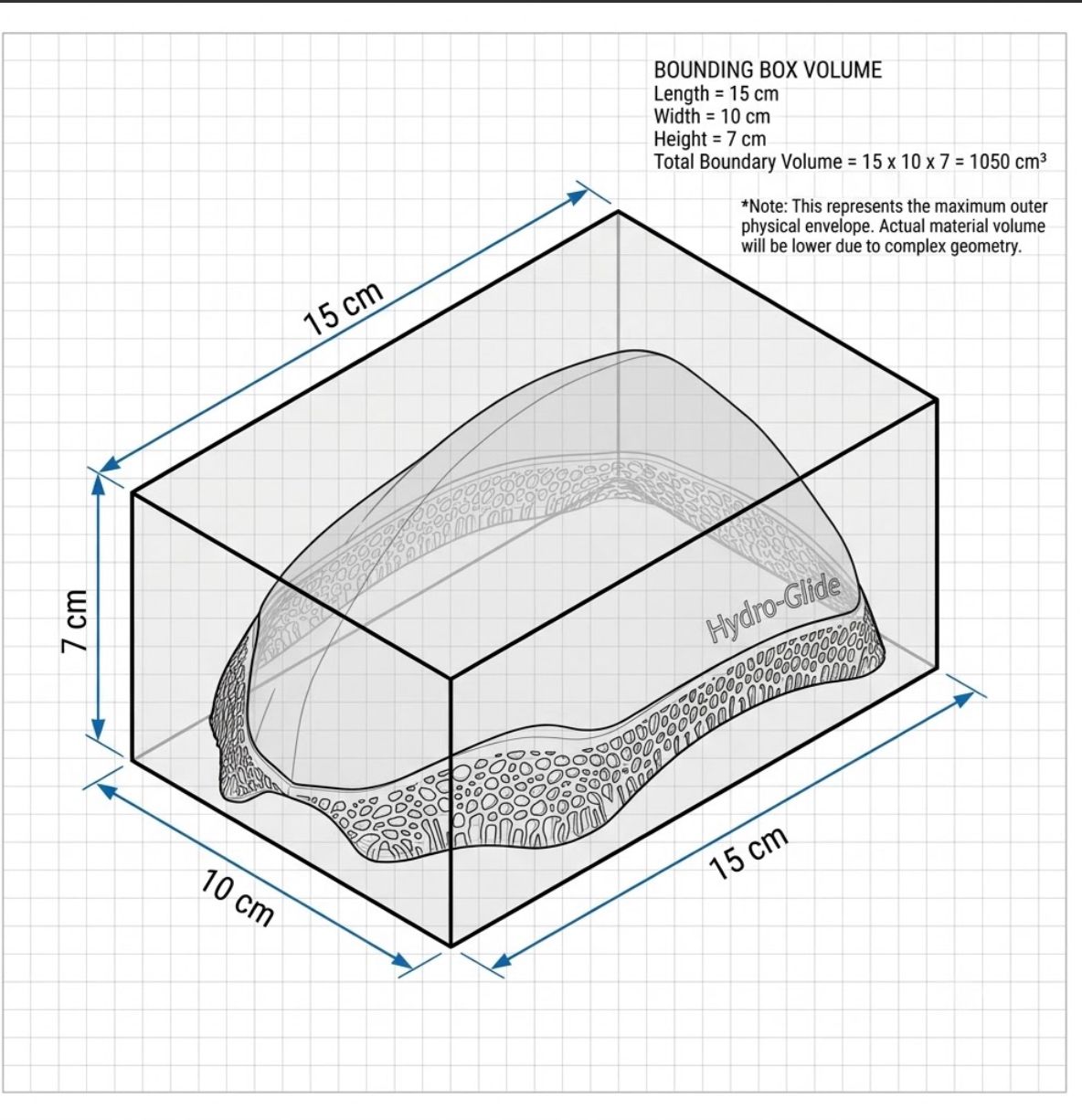
Contents and Tec Drawings
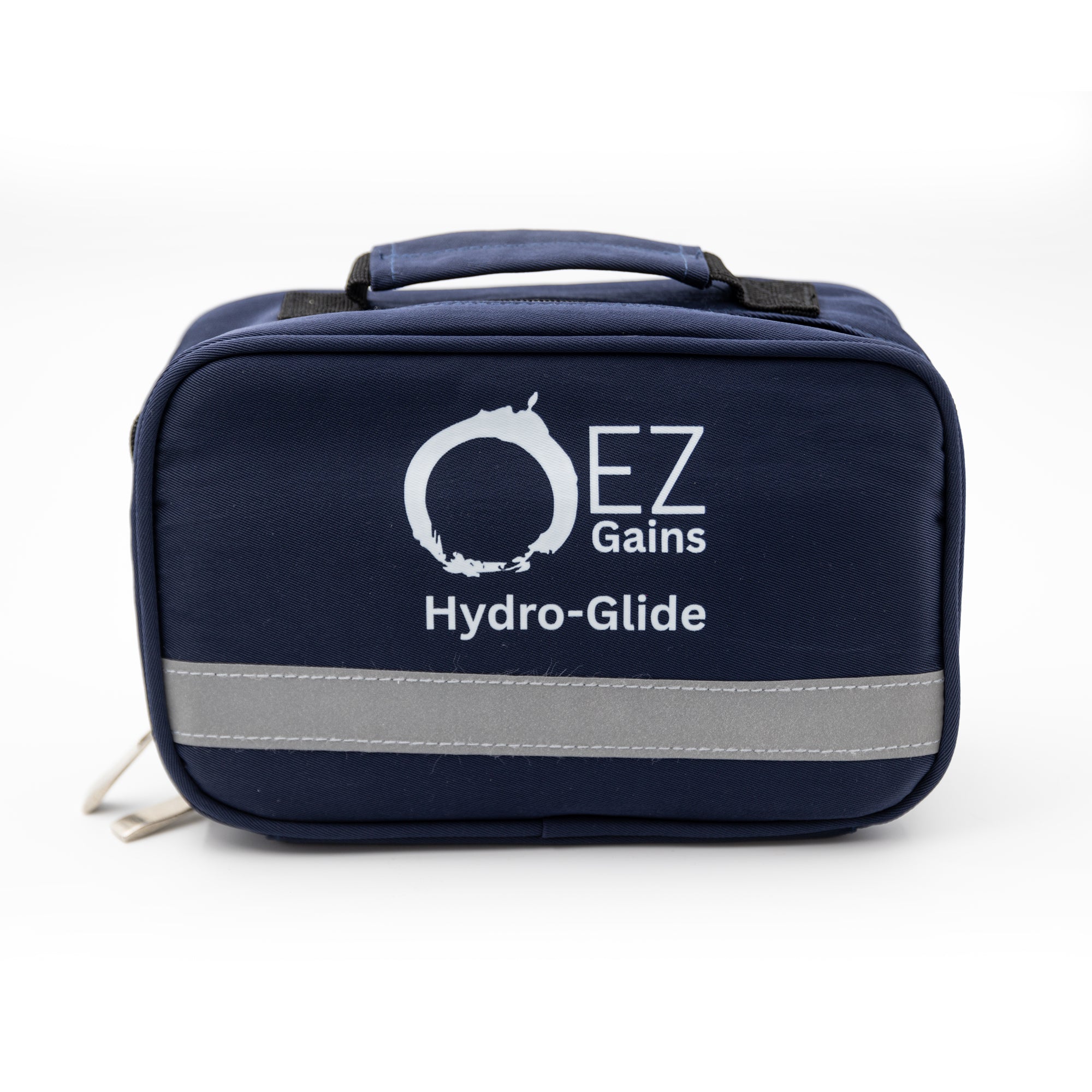
EZ Hydro-Glide Thermal Regulated Bag
Keeps your EZ Hydro-Glide cool and ready for up to 2 hours prior to race start or training after refiguration for 2 hours.
Please practice this beforehand, as it can vary due to temperature conditions.
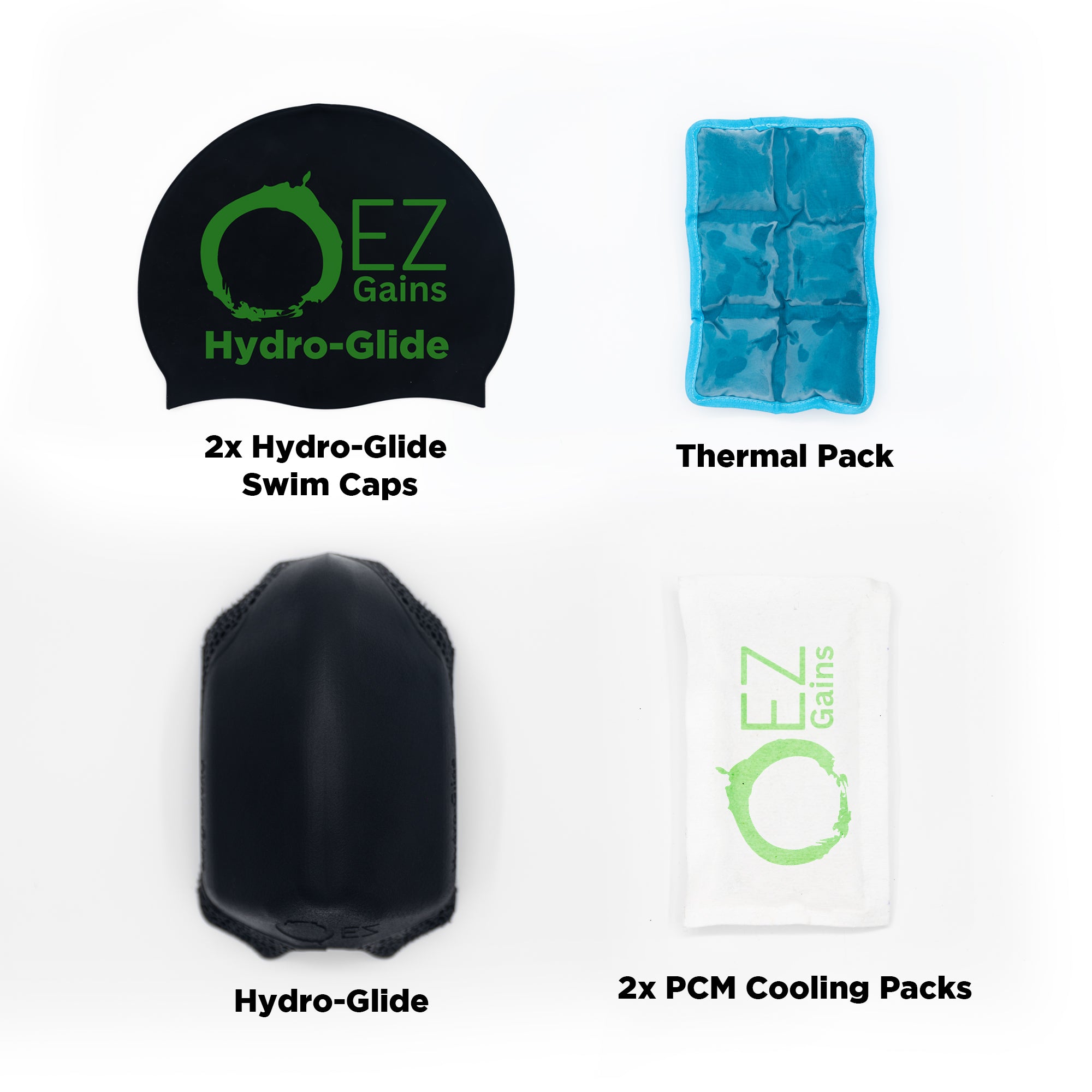
Contains all the items needed for a fast & safe swim
- EZ Hydro-Glide
- Cooler Pack "Bag"
- EZ Hydro-Glide 2 x PCM Cooler Packs
- Large Silicone Swim Caps x 2
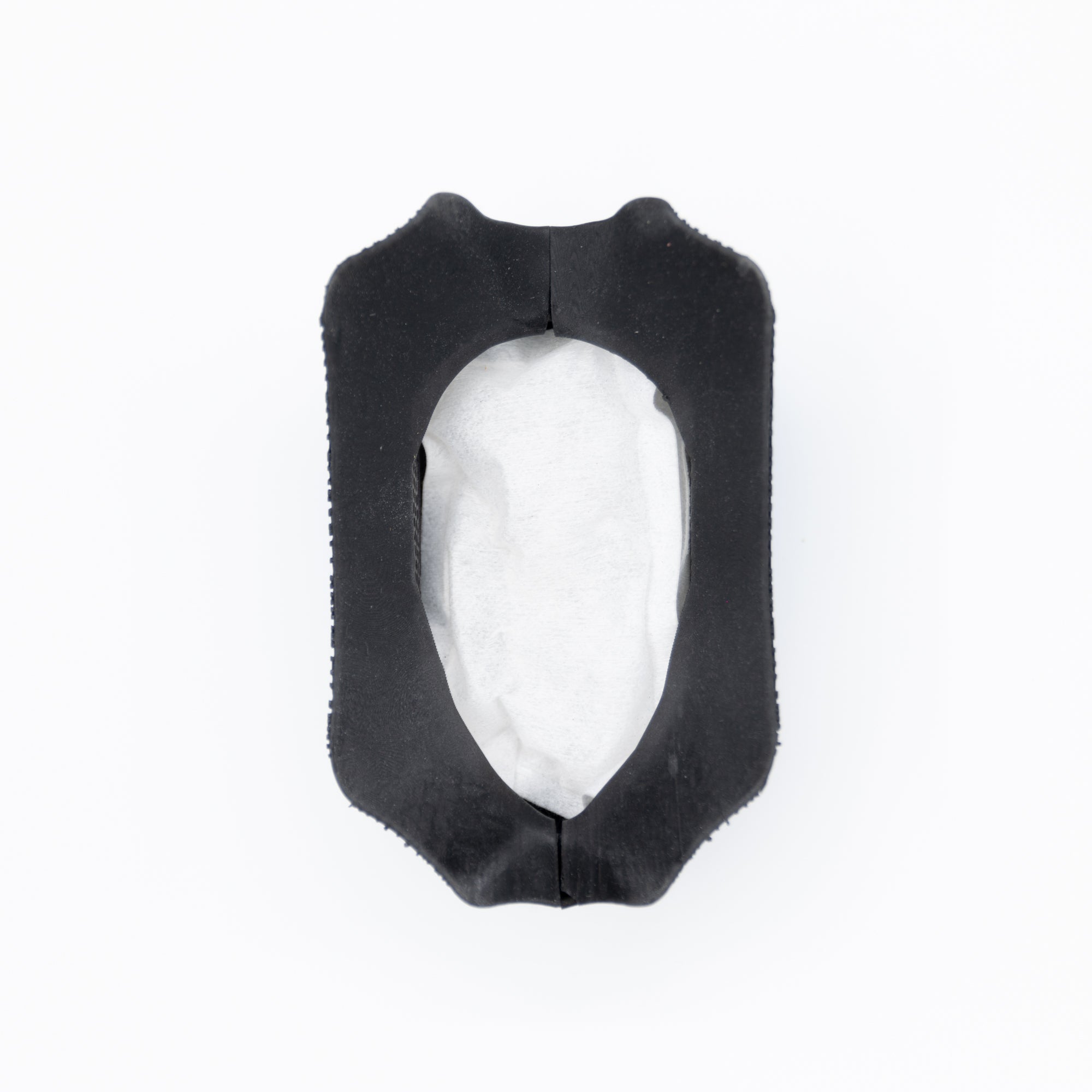
EZ Hydro-Glide 2 x PCM Cooler Pack Containment Area
"Advanced thermal management tools that absorb and release heat at specific temperatures"
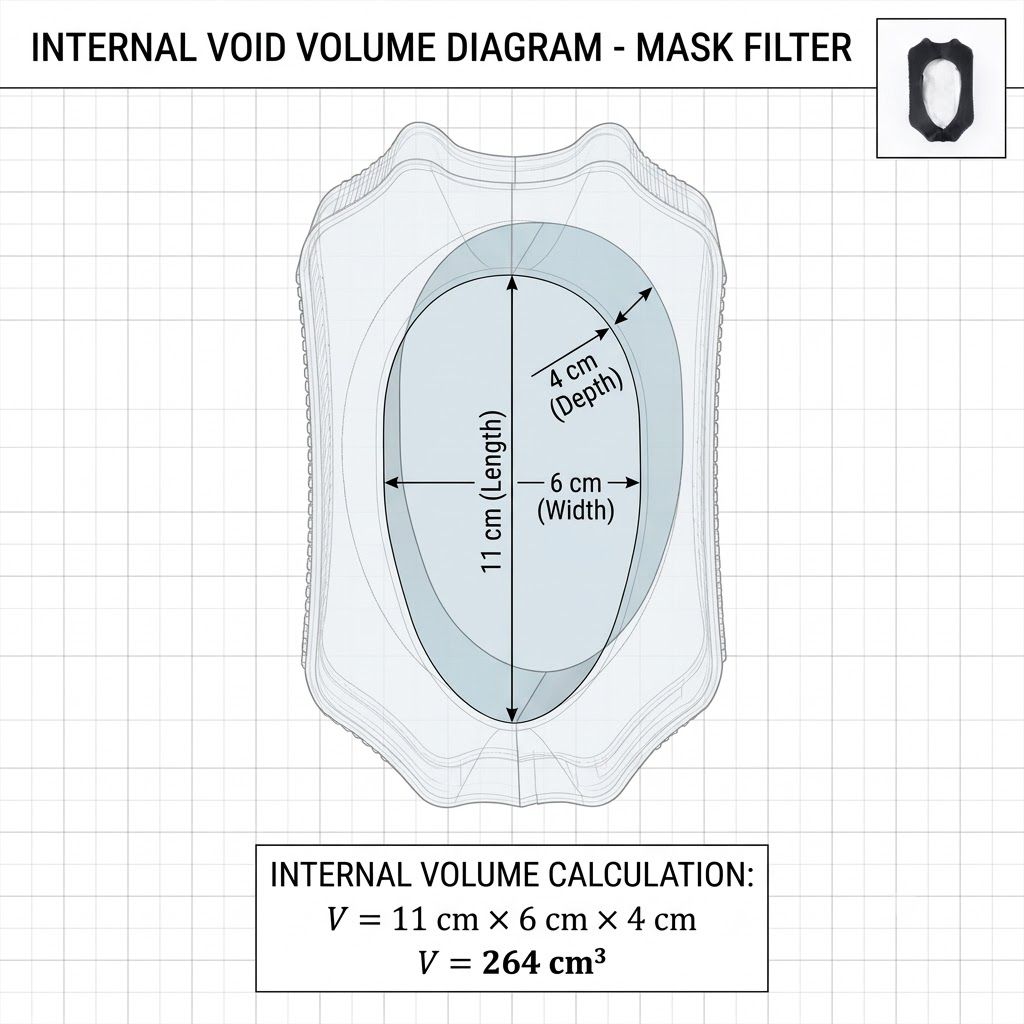
Citations
Open-Water Swimming: Thermophysiology of Health and Performance
https://www.researchgate.net/publication/331582048_Open-Water_Swimming_Thermophysiology_of_Health_and_Performance
[1] Ansley, L., Marvin, G., Sharma, A., Kendall, M. J., Jones, D. A., & Bridge, M. W. (2008). The Effects of Head Cooling on Endurance and Neuroendocrine Responses to Exercise in Warm Conditions. Physiological Research, 57, 863–872.
[2] Shattock, M.J. and Tipton, M.J. (2012). ‘Autonomic conflict’: a different way to die during cold water immersion?. The Journal of Physiology, 590(14), pp.3219–3230. doi:https://doi.org/10.1113/jphysiol.2012.229864.
[3]Ramos da Silva, E., Zacca, R., Mujika, I. and Diefenthaeler, F. (2025). Hyperthermia during open water swimming: risks, monitoring and mitigation strategies. European Journal of Applied Physiology. doi:https://doi.org/10.1007/s00421-025-05945-5.
[4] Tipton, M. and Bradford, C. (2014b). Moving in extreme environments: open water swimming in cold and warm water. Extreme Physiology & Medicine, [online] 3(1). doi:https://doi.org/10.1186/2046-7648-3-12.
[5] Chalmers, S., Shaw, G., Mujika, I. and Jay, O. (2021a). Thermal Strain During Open-Water Swimming Competition in Warm Water Environments. Frontiers in Physiology, 12. doi:https://doi.org/10.3389/fphys.2021.785399.
[6] Karel Ráž, Zdeněk Chval and Pereira, M. (2024). Lattice Structures—Mechanical Description with Respect to Additive Manufacturing. Materials, [online] 17(21), pp.5298–5298. doi:https://doi.org/10.3390/ma17215298.
[7] Chan, M., Hung, S., Yick, K., Sun, Y., Yip, J. and Ng, S. (2025). Impact Absorption Behaviour of 3D-Printed Lattice Structures for Sportswear Applications. Polymers, 17(19), pp.2611–2611. doi:https://doi.org/10.3390/polym17192611.