
Six athletes. One start line. Every watt accounted for.
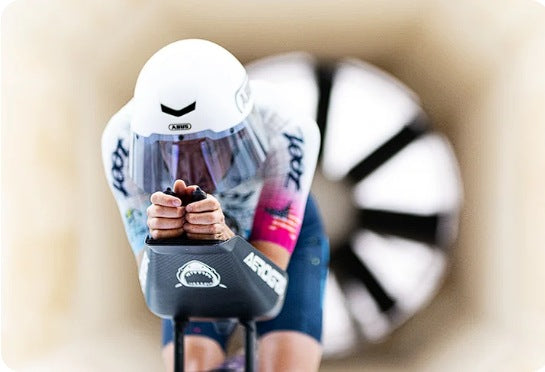
The IRONMAN World Championship is where marginal gains stop being a theory and start being the difference between a podium and fourth place. Over the past twelve months we've worked alongside some of the fastest athletes in the sport — testing, measuring, and refining setups until nothing was left to chance.
Here's who we've been working with, and what we found.

Why we test
Aerodynamics is the single largest force working against a triathlete on the bike. At race pace, the overwhelming majority of a rider's power output goes into pushing air out of the way — not overcoming gravity, not fighting friction. Which means small changes to position, hydration setup and equipment choice produce disproportionately large results.
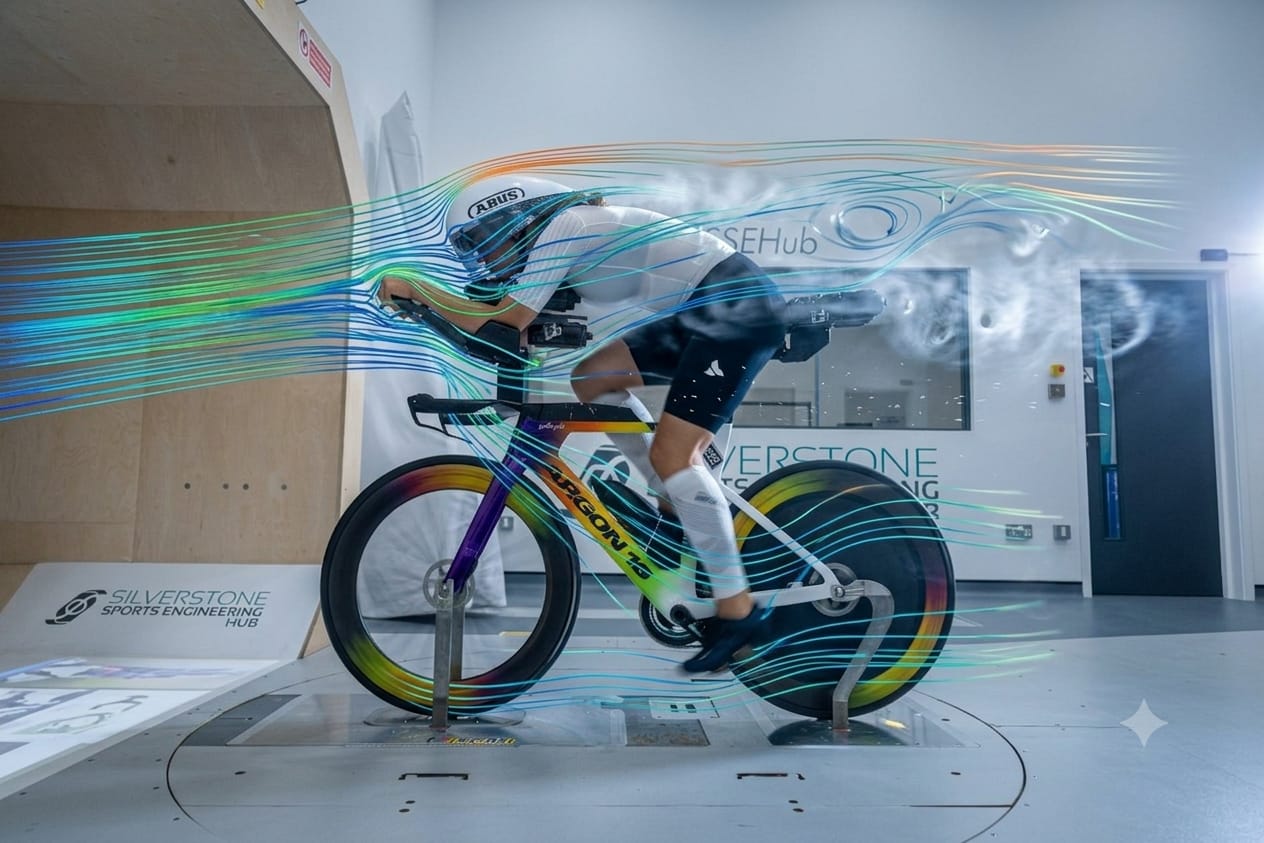
The problem is that you can't feel aerodynamics. A position that feels fast is often slow. A bottle that looks aero can cost you watts. The only way to know is to measure it, and the only place to measure it properly is a wind tunnel.
That's why every product we build starts in one. You can read more about the science behind our testing process here.
Casper Stornes

The 2025 IRONMAN World Champion races with EZ Gains — and that relationship didn't start on race day. It started in the tunnel.
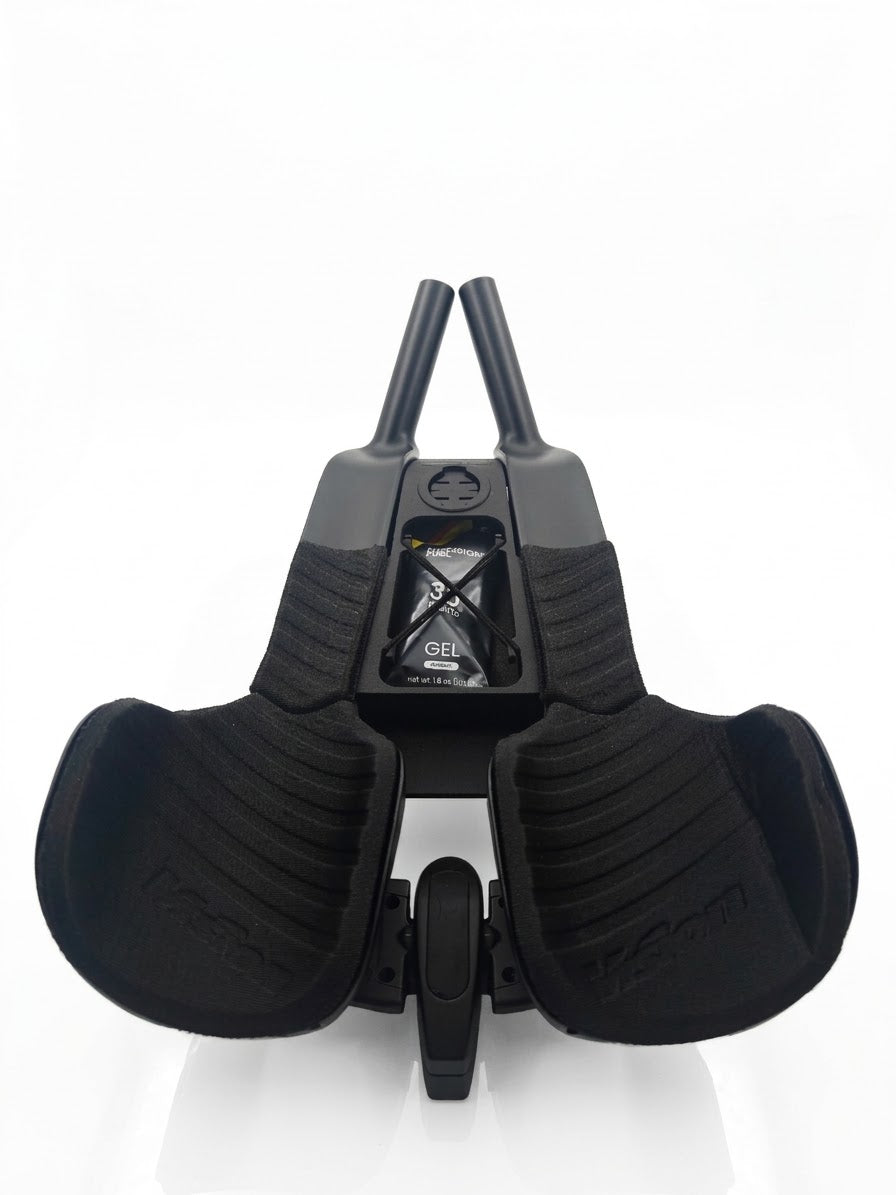
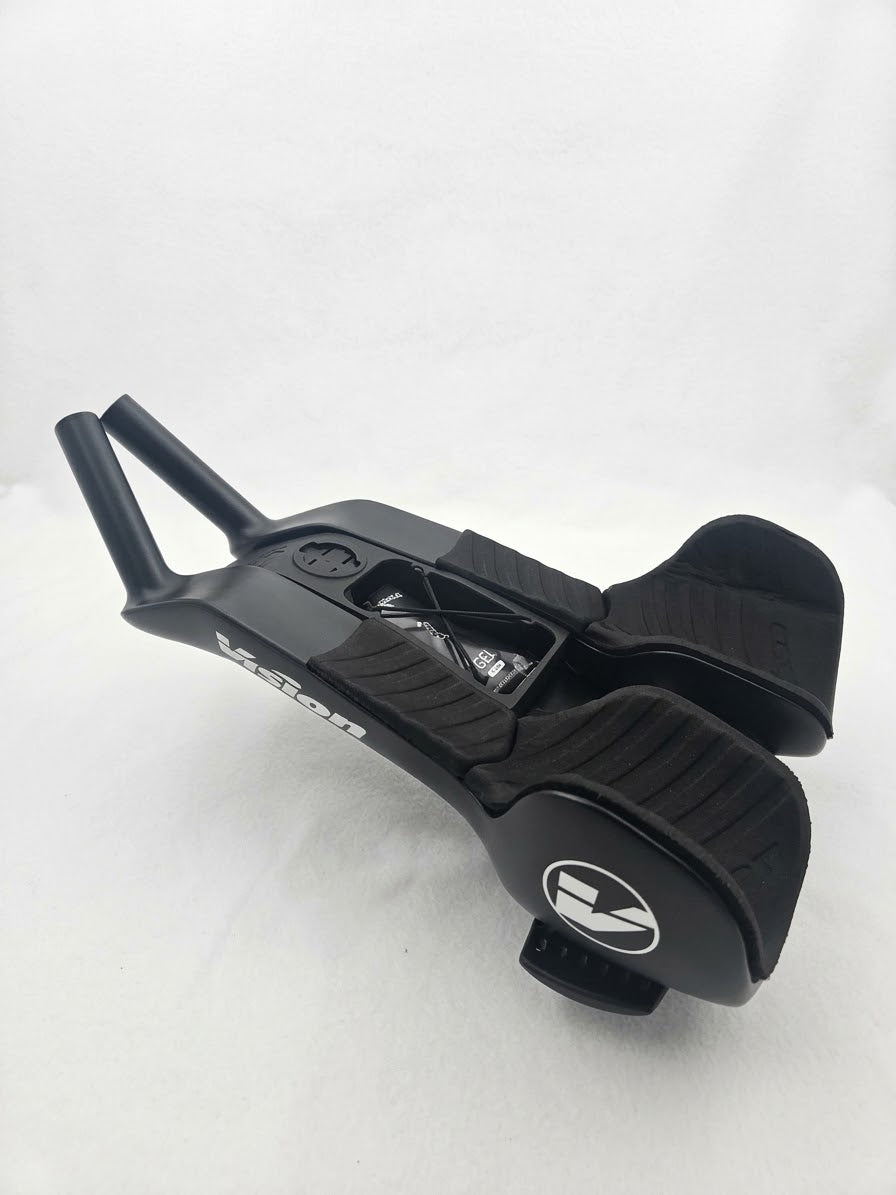
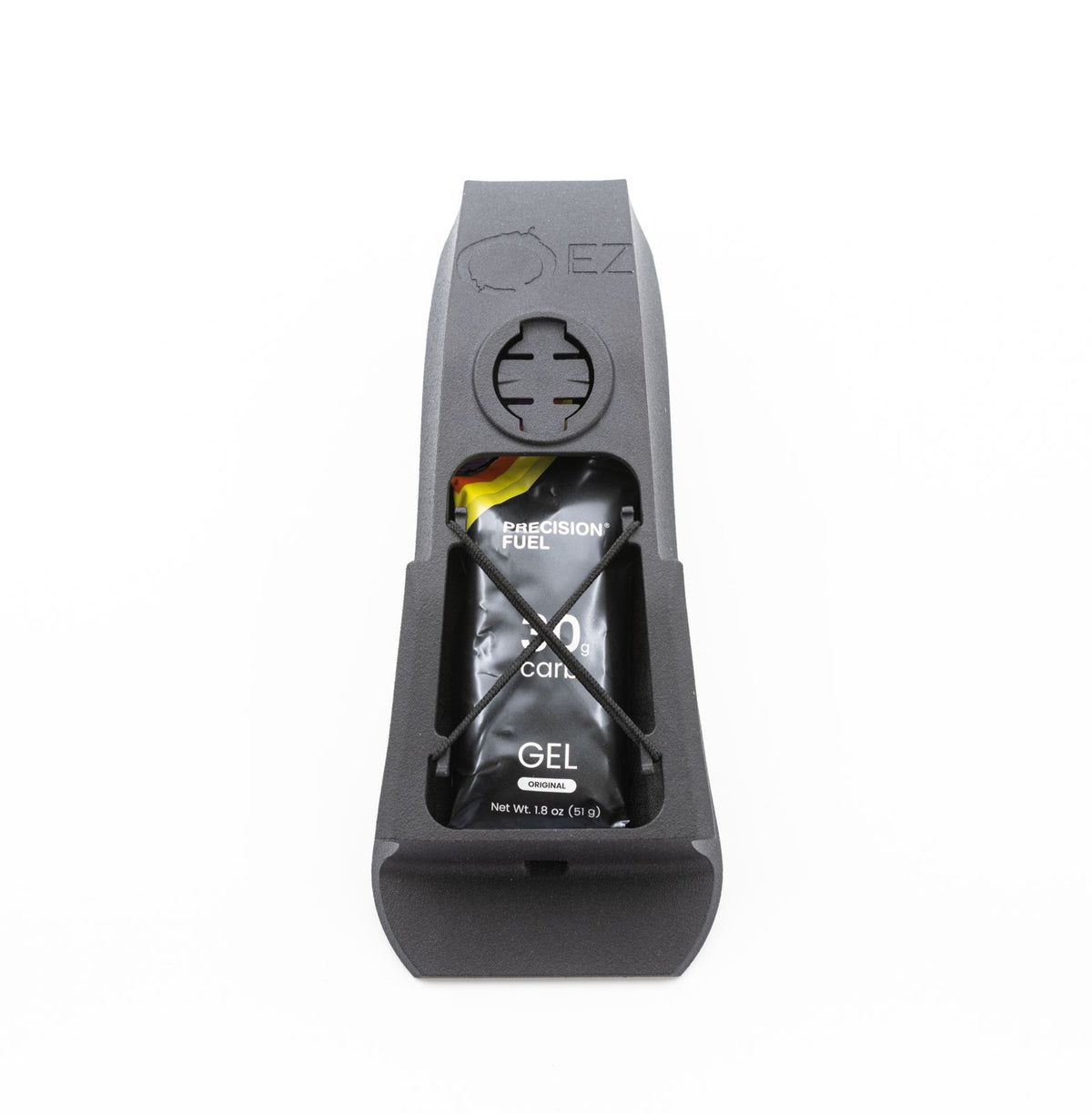
We've worked with Casper to refine both his aerodynamic position and his hydration strategy, with the Hydro-Gains system integrated into his front end. Getting hydration right isn't a comfort question, it's a performance question: fluid loss compounds fast in Hawaiian heat, and an athlete who can drink easily without breaking position holds more speed for longer.
We continue to support Casper in finding every possible gain and staying optimally hydrated when it matters most.
Jelle Geens

Two-time IRONMAN World Champion. One goal: get faster.
Over the past year we've worked closely with Jelle, refining every detail of his setup to find those crucial seconds. Position, front-end configuration, hydration placement — nothing was assumed, everything was measured.
We set out to make him faster. We delivered.
Fenella Langridge

A proven IRONMAN podium finisher, Fenella arrives ready to take on the world's best.
Earlier this year we joined her at Silverstone Wind Tunnel to test the Hydro-Gains system, her BTA setup and more — working through configurations to optimise her position and find every possible advantage. The BTA testing in particular is where a lot of riders leave time on the table: a between-the-arms bottle can be aerodynamically neutral or actively beneficial, but only if it's the right shape in the right place for that specific rider. That's not a judgement you can make by eye — it's something you have to measure.
The testing is done. Now we can't wait to see what she does with it.
Kellie Branagan — 35 watts saved

This is the number that makes the point better than anything else we can write.
We took Kellie into the wind tunnel and worked methodically through her setup, testing changes one variable at a time. The result was a 35 watt saving — an enormous figure at IRONMAN distance. To put it in context, 35 watts sustained over 180km is roughly the difference between a strong age-group rider and a professional, for free.
She lines up with a significantly faster setup, and we can't wait to see what she does with it.
Jon Breivold

Three years of chasing it. This year, he's in.
After three years of trying to qualify, Jon has finally earned his place at the 2026 IRONMAN World Championship. We headed to the wind tunnel with him to optimise his setup and chase valuable watt savings ahead of race day.
The hard work got him there. The testing is what makes sure he arrives with the fastest possible bike underneath him.
Cameron Wurf

One of the most versatile endurance athletes of his generation, Cameron has competed at the highest level across three different sports — a background that gives him an unusually sharp instinct for what actually makes a bike fast.
We've worked alongside Cameron to test and optimise his setup in the wind tunnel, chasing every possible watt and finding the marginal gains that matter at the very top of the sport.
When seconds matter, every watt counts.
Science comes first at EZ Gains

Around 30% of the professional field uses our products. That doesn't happen because of marketing — it happens because the numbers hold up under scrutiny, and professional athletes are the most sceptical customers in the world.

Founder and CEO Clinton Butcher has always put science and data at the heart of the brand. Every product is developed, tested and backed by data — because we don't want athletes to simply take our word for it. We want to prove it.
That's how we earn the trust of the athletes who rely on EZ Gains at the highest level.
See the full testing data on our science page →
Follow the road to Kona
We'll be following every one of these athletes through race week. For behind-the-scenes footage, testing data and ride tips, follow us on Instagram and YouTube.




Share:
EZ Gains Tests TT Helmets In The Wind Tunnel
Kona Roundup: World Championship Wins, Aero Gains & New Product Previews